Apollo Alternative for Signal-Based Outbound
Compare an Apollo alternative for signal-based outbound and learn how to turn funding, launch, and hiring news into source-backed emails your team can approve.

Not long ago, telemarketers worked from thick printed telephone directories and bought-in lists. Getting the number was never the hard part.
By the mid-2000s, unwanted sales calls had become so common in India that in June 2007 TRAI issued regulations to curb them and set up a National Do Not Call registry. Millions of people signed up to block the calls. The calls weren't failing because the lists were wrong. They were failing because nobody had a reason to want them.
Outbound email has been through the same cycle. Contact data is easier to get than ever. What's scarce is a good reason to write to a particular person, today.
An Apollo alternative makes sense when your team wants to start with a named market and review a source-backed reason to email each company. The practical test is whether a reviewer can see what happened, why it matters to the person receiving the email, and what the sender has agreed to send.
Apollo Alternative — Start With the Reason to Reach Out
Apollo describes its platform around B2B sales intelligence, contact and company enrichment, and sales engagement. Its prospecting guide covers building filtered searches, mapping stakeholders, and launching multichannel sequences. It also describes using hiring and funding signals when narrowing a search. Apollo’s prospecting guide · Apollo’s platform overview
Product details reflect public positioning as of November 2026.
What Makes This Different
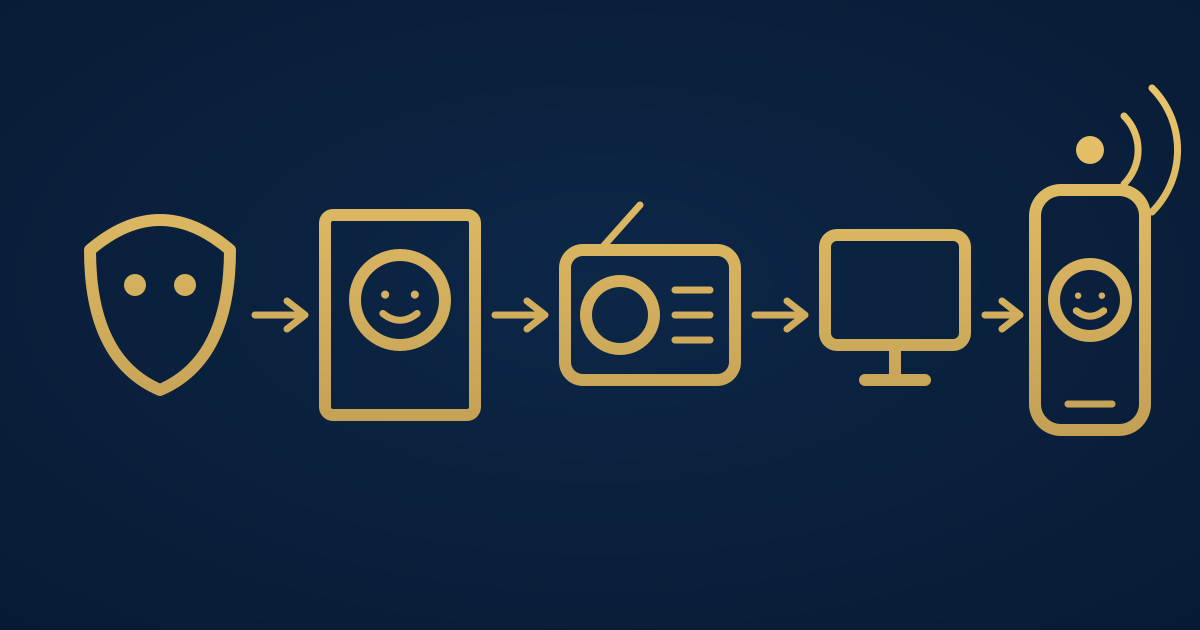
FootPrynt Discovery Hub starts with a market you name. It finds companies in that market, finds the right decision-maker at each, and verifies the email address. It researches funding, launches, and hiring to inform fit and timing, then uses those signals in the draft. Each claim in a draft is tied to its source signal.
For example, a packaging supplier could name Indian direct-to-consumer personal care brands as its market. A new travel-size range could give the supplier a reason to contact the person responsible for packaging. The announcement supports the claim that the range launched. The supplier can offer to share sample options and ask whether the brand is reviewing packaging for future runs.
The Key Principle
Treat account fit, timing, and recipient fit as separate checks. A launch can be recent while the company is outside your delivery area. A company can fit your market while the contact owns a different part of the business. An email address can be verified while the message still gives the recipient little reason to respond. A reviewer should be able to explain all three checks in plain language before approving the email.
Benchmarks for Reviewing an Outbound Draft
| Review criterion | Poor | Good | Excellent |
|---|---|---|---|
| Market fit | The company appears in a broad sector search | The company matches the product category and geography | The company also matches the commercial conditions your team can serve |
| Reason to email | The opening makes a generic growth claim | The draft names a documented launch, hire, or funding event | The draft connects that event to a concrete decision the recipient may own |
| Follow-up | Every message repeats the initial ask | Each follow-up has a clear purpose | The reviewer can explain what each message adds and why its timing makes sense |
These are qualitative review criteria for a sample of real accounts. Apply the same criteria to both workflows, using the same market and offer, so differences in lead selection or copy stand out.
Key insight: If a reviewer cannot trace the opening claim to its source and explain why the recipient would care, hold the draft.
How to Evaluate an Apollo Alternative — Step by Step
- Write a narrow market brief — specify what you sell, which companies you can serve, and the buyer role that typically owns the decision. An agency selling launch creative could begin with Indian skincare brands releasing new products and look for the person responsible for brand marketing. Write down exclusions such as distributors or retailers that carry others’ brands exclusively.
- Review the same accounts and signals — start with a group you can inspect by hand. Check whether the business fits the market, whether the source describes the right company, and whether the event relates to your offer. Record where you disagree with the proposed recipient or timing so you can improve the brief.
- Read the draft alongside the source — compare its wording with what the announcement actually says. If a company announced a forthcoming range, describe it as forthcoming. Ask a colleague to read the opening on its own and flag any claim that would surprise the person who made the announcement.
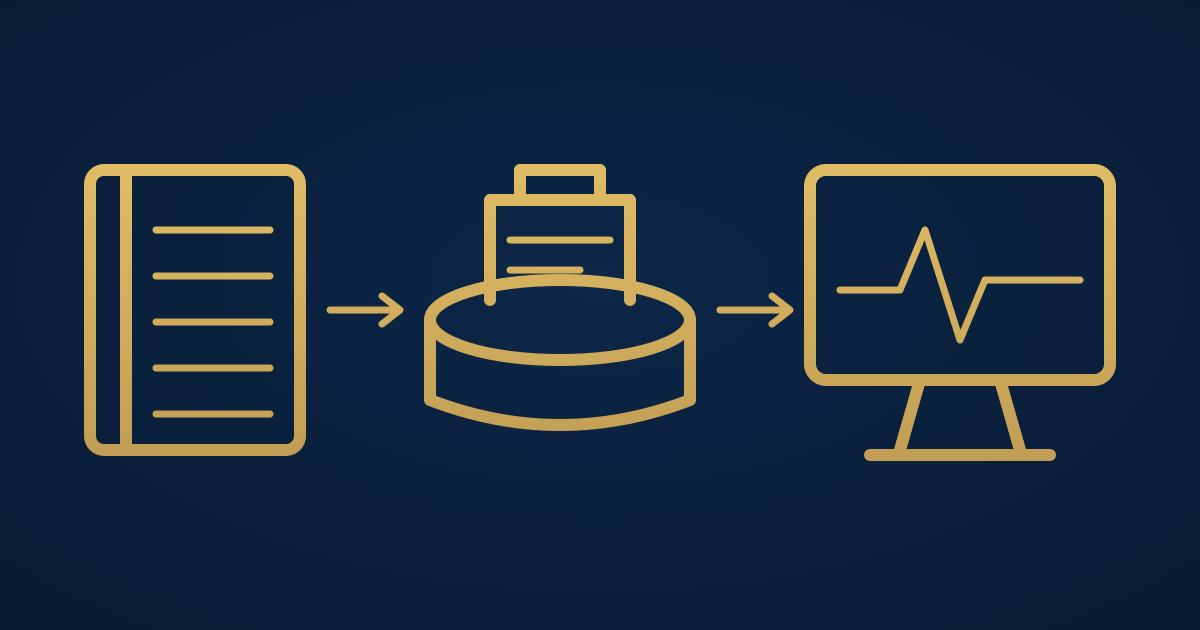
- Approve the messages and schedule you can stand behind — nothing sends through Discovery Hub until a person approves it, and approved follow-ups go out on the approved schedule. Mail sends from your own Gmail, where you read replies. The outcome is recorded per company, so you can revisit the market and timing behind each conversation.
(See also: Signal-Based Outbound for B2B)
Common Mistakes to Avoid
Mistake 1: Using Seniority as a Substitute for Ownership
A founder might be the right person at a small brand, while a category lead might handle the same decision elsewhere. A senior title gives limited information about who evaluates a particular supplier or service. Ask which role would be expected to act on the offer. Use that answer to assess the proposed decision-maker before reviewing the copy.
Mistake 2: Turning a Funding Announcement Into a Budget Claim
A funding announcement tells you that a company reported raising money. The announcement may also name intended uses, such as expanding a category or entering a market. Use that stated purpose when it relates to your offer, and ask whether the recipient is evaluating options for that initiative. Claims about vendor budgets or deadlines need direct evidence.
Mistake 3: Reviewing Only the First Email
A follow-up can refer to a date or milestone that no longer makes sense by the time it goes out. It can also repeat an offer the recipient already understood from the first email. Review the follow-up copy alongside the proposed timing and give each message a reason to exist. Discovery Hub includes an unsubscribe link in every email and does not contact unsubscribed companies again.
How to Decide Which Workflow Your Team Needs
Ask the person who will review messages to walk through an account from initial selection to reply. A sales team may start its evaluation with how it searches and maps several stakeholders. A founder handling email personally may start with how quickly they can verify the reason for contacting a particular company. Where your team spends its review time is a better guide than how long the feature list is.
| Approach | When to Use | Expected Outcome |
|---|---|---|
| Filtered prospecting and stakeholder mapping | Sales reps need to build a view of several roles before coordinating outreach | A prospecting brief that names the roles and channels to evaluate |
| Source-backed Gmail outreach | The team wants a named market, a proposed decision-maker, and a documented reason to email | An account and draft the sender can verify before approval |
| Hold the account for later | The company fits, but the source gives you little reason to reach out today | A clear reason to revisit the account when something relevant changes |
(See also: Explee Alternative for Human-Approved Outbound)
The Do Not Call registry came about because having a number was treated as a reason to call. Whichever tool you choose, make sure the reason comes first and the contact second.
FAQs
What is an Apollo alternative for signal-based outbound?
An Apollo alternative for signal-based outbound is a tool you evaluate on how it connects prospecting, evidence, and the email a buyer receives. Discovery Hub researches funding, launches, and hiring, and ties draft claims to their source signals for human review.
How much does Discovery Hub cost for a team in India?
Discovery Hub has no public pricing yet. Include the staff time you spend reviewing accounts, checking claims, and handling replies when assessing the cost of your outbound workflow.
Is signal-based outbound worth it for a small team?
It can be useful when the team can define a narrow market and articulate how a recent event changes the conversation. If the reviewer cannot identify who owns the problem or what help to offer, refine the market brief before adding more accounts.
Ready to review your next outbound email against the evidence behind it? Explore FootPrynt’s Discovery Hub or sign in to start with a market you can serve.
Tags
Ready to Scale Your Influencer Marketing?
Join 1,000+ brands using FootPrynt's AI platform for influencer discovery, outreach, and attribution.
Start Free Trial →