Clay Alternative for Signal-Based Outbound
Evaluate a Clay alternative for signal-based outbound by comparing custom enrichment with source-backed drafts, human approval, and follow-ups sent from Gmail.

In 1841, a New York merchant named Lewis Tappan set up the Mercantile Agency to answer one question for traders: can I trust this customer to pay?
Tappan recruited local correspondents, often lawyers, to send in reports on the businesses in their towns. One of them was an Illinois lawyer named Abraham Lincoln. The reports filled 2,580 handwritten volumes, which are still kept at Harvard Business School's Baker Library.
The agency, which later became Dun & Bradstreet, succeeded not because it collected so much information, but because it turned it into something a trader could act on: give this customer credit, or don't.
Data enrichment faces the same test today. Adding more columns about a company is easy. Turning them into one clear decision, who to contact and what to say, is the hard part.
A Clay alternative for signal-based outbound is worth evaluating when the end result you need is an email your team can verify and approve. Start with one recent event at a target company and trace how it becomes a reason to contact a specific person.
Clay Alternative — Define What the Workflow Must Produce
Clay describes its signals offering in terms of custom signal tracking, enrichment across data providers, and workflows that can connect signals to actions in systems such as email, CRM, and Slack. Its examples include career movements, news, and signals derived from a team’s own data. Clay’s signals overview · Clay’s custom signals announcement
Product details reflect public positioning as of November 2026.
What Makes This Different
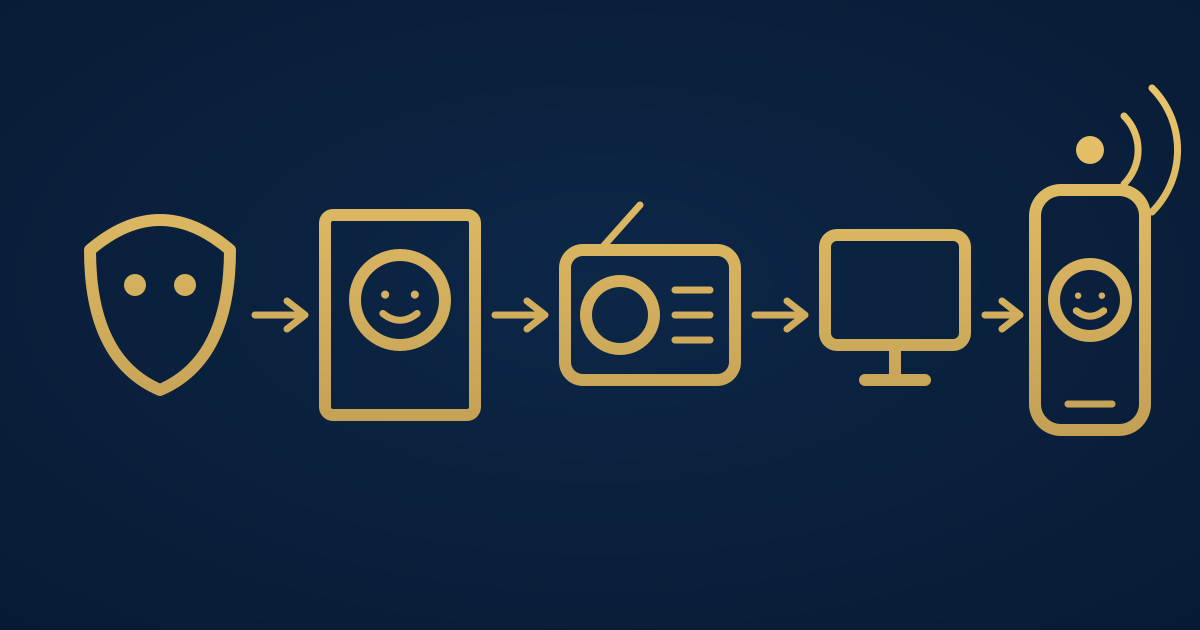
FootPrynt Discovery Hub finds companies in a market you specify, identifies the right decision-maker at each, and verifies the email address. It researches funding, launches, and hiring to help judge fit and timing. Those signals feed into the email draft, where every claim is tied to its source signal. A person approves what goes out.
Consider an onboarding consultancy selling to Indian software companies. An open role for an implementation lead could be relevant because the consultancy helps teams document onboarding processes. The job description may support a sentence about the open role and its stated responsibilities. A question about whether the team is updating its onboarding materials leaves the buyer room to explain what is actually happening.
The Key Principle
Give each signal a specific purpose. A source can establish that something happened. Your team still has to judge whether your offer fits what happened and choose an ask the recipient can answer. Some signals are valuable for internal prioritisation and awkward in an email. If a detail gives the reader no useful context for your offer, leave it out of the message.
Benchmarks for Turning Research Into Outreach
| Review criterion | Poor | Good | Excellent |
|---|---|---|---|
| Evidence | The draft relies on a summary with unclear origin | The event can be traced to a named source | The reviewer can verify the exact claim and when it was true |
| Relevance | The event is recent | The event relates to the seller’s offer | The event suggests a specific conversation with the proposed recipient |
| Approval | The reviewer sees only the opening email | The reviewer can read the drafts and their evidence | The reviewer also checks what each follow-up adds and when it is due |
These qualitative criteria are for reviewing a sample of drafts alongside their sources. Use a signal your team has already researched as a reference case. It helps reviewers agree on what counts as an accurate opening before they evaluate unfamiliar accounts.
Key insight: A useful source lets a reviewer tell where the public fact ends and where the seller’s question begins.
How to Evaluate a Clay Alternative — Step by Step
- Write down the job of your current workflow — map where you get companies, what evidence you look for, who chooses the recipient, and where replies are handled. Flag the research inputs your offer depends on. A team that relies on first-party product usage should include that requirement in its evaluation. A team researching public hiring and launch activity can test those events directly.
- Name a market and choose a representative offer — for example, an agency helping Mumbai-based consumer brands prepare launch creative could identify the categories it serves and describe its deliverables. Include accounts with ambiguous timing in your review sample. They reveal how much judgment your team needs to apply when a source is incomplete or the opportunity is unclear.
- Check the link from source to sentence — put the public statement next to the proposed opening and look for extra assumptions. If a brand says pre-orders have opened, check that the draft describes pre-orders. Then see if the proposed buyer is likely to own the task you’re offering to help with, such as commissioning product photography.
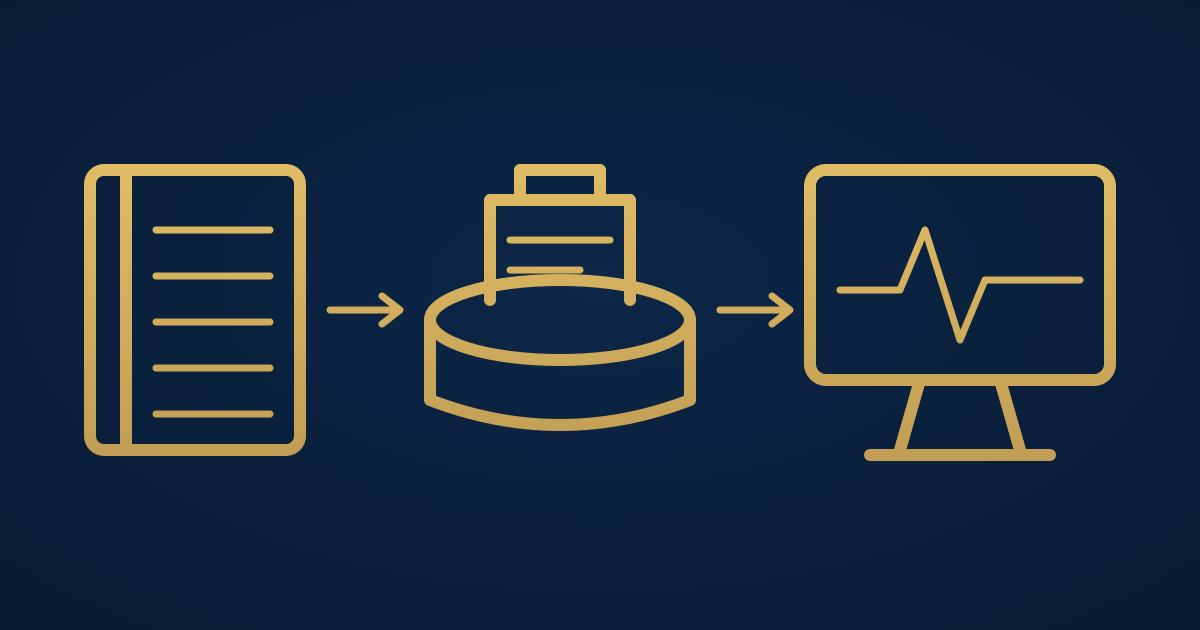
- Evaluate the sending and reply process — with Discovery Hub, a person approves before anything sends, and approved follow-ups go out on the approved schedule. Sending and reply reading happen in your own Gmail, and an outcome is recorded per company. Check whether the person taking replies can use that company context to continue the conversation.
(See also: B2B Buying Signals for Funding, Launches, and Hiring)
Common Mistakes to Avoid
Mistake 1: Adding Data With No Decision Attached
Extra company attributes can take time to inspect and may serve little purpose in an outreach review. For each field, ask whether it changes the account choice, recipient, timing, or message. A job description can help you identify the owner of a project, while a company description may simply repeat what you already know. Keep the evidence that changes a decision you actually make.
Mistake 2: Treating Several Reports as Separate Signals
A funding announcement can appear in multiple publications and still describe a single event. Compare the date, company name, and details before concluding that the account has several independent reasons for outreach. Use the most direct source you can verify for the draft’s claim. If you also find a separate launch or hire, explain what that second event adds to your judgment.
Mistake 3: Losing Sight of the Email After Approval
A mapped workflow can look tidy while the person answering replies has little context about the original ask. Have that person read the actual email and explain how they would respond to interest, a referral, or a later timing request. That will tell you whether the ask gives them a useful opening. Discovery Hub includes an unsubscribe link in every email and does not contact unsubscribed companies again.
Choose Which Signals Belong in the Email
Suppose a Bengaluru software company announces funding and posts an implementation role. For a consultancy that builds onboarding processes, the role may offer the stronger reason to reach out because its description identifies the work involved. The funding can inform which accounts the team reviews first. The email can open with the hiring detail and offer to share an onboarding checklist relevant to the responsibilities in the posting.
| Approach | When to Use | Expected Outcome |
|---|---|---|
| Custom signal workflow | The team needs to act on signals it defines using its own data or several connected systems | An evaluation focused on how signals are captured, enriched, and routed |
| Source-backed email review | Funding, launches, or hiring provide the context needed for a specific offer | A draft the reviewer can verify against a source before approving |
| Use a signal for prioritisation | The event helps decide which account to review but adds little to the email | A reason to look more closely without crowding the opening paragraph |
(See also: Cold Email Templates for Buying Signals)
Tappan's agency was valuable because every report ended in a decision. Judge any enrichment workflow, Clay or an alternative, the same way: does it end in an email you'd be willing to send?
FAQs
What is a Clay alternative for signal-based outbound?
A Clay alternative for signal-based outbound is a tool you can evaluate for finding relevant companies and using timely evidence in outreach. Discovery Hub’s workflow starts with a market you name and ties draft claims to source signals before a person approves sending.
How much does Discovery Hub cost for a team in India?
Discovery Hub has no public pricing yet. To evaluate effort, trace one account from research through reply handling and record where your team spends time.
Is a source-backed workflow worth it for a small team?
It can be a good fit if public funding, launches, or hiring give your team enough context to make a specific offer and someone can review the drafts. Before choosing a workflow, try explaining why the same signal matters to the role you plan to contact across several accounts.
Ready to see how a signal becomes a draft you can verify? Explore FootPrynt’s Discovery Hub or sign in to start with a market you know.
Tags
Ready to Scale Your Influencer Marketing?
Join 1,000+ brands using FootPrynt's AI platform for influencer discovery, outreach, and attribution.
Start Free Trial →