marketing intelligence platform for data-driven decisions
Discover how a marketing intelligence platform can transform your brand strategies in India with AI-driven insights.
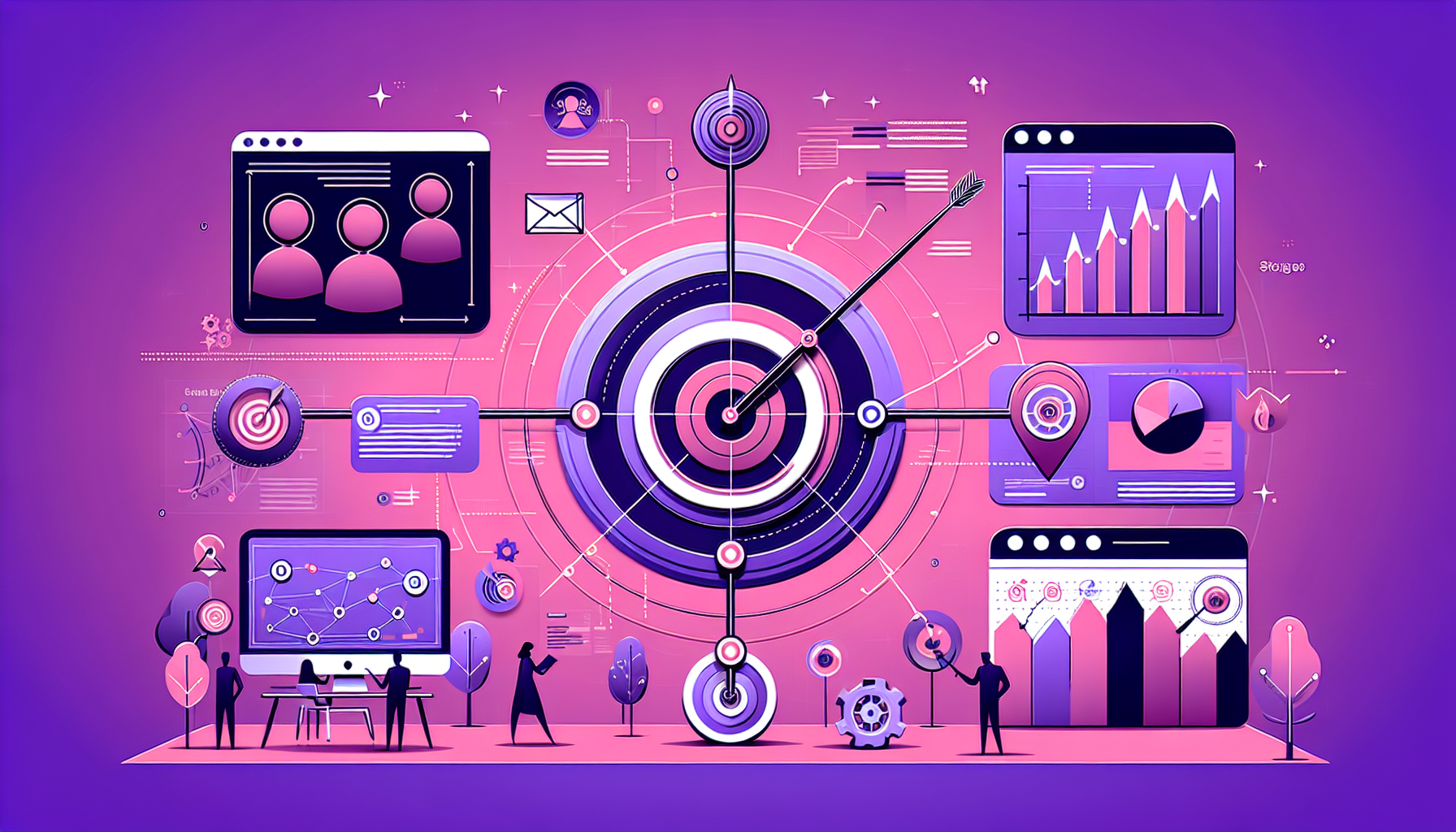
In 2025, Indian brands collectively spent ₹20,000 crore on traditional media, yet 75% of them felt they weren't targeting the right audience. This disconnect highlights a critical failure of conventional marketing approaches. As marketing leaders, the focus must shift towards utilizing a marketing intelligence platform that offers AI-driven insights to enable data-informed decision-making. The goal is not merely to gather data, but to convert it into actionable intelligence, fundamentally redefining how campaigns are crafted.
marketing intelligence platform — What It Is
A marketing intelligence platform leverages data analytics and machine learning to provide businesses with actionable insights that drive marketing campaigns. Unlike traditional marketing intelligence systems that often rely on historical data and broad demographics, a sophisticated marketing intelligence platform synthesizes real-time consumer engagement metrics, social media sentiments, and buying patterns. For instance, through its advanced algorithms, the platform can analyze influencer performance across different platforms and suggest the most promising partners for your brand based on current trends.
The Shift from Traditional Approaches
Traditional marketing often relies heavily on broad brushstrokes, using generalized personas rather than understanding real-time consumer behavior. An example can be seen in the fashion retail sector in Mumbai, where brands routinely overspend on campaigns that target the entire city, leading to an ineffective reach. They rely on outdated demographic studies which may indicate that customers aged 20-30 are the target, but don’t incorporate specific behavioral signals showing that individuals in that age group are more inclined to purchase during festival seasons or specific social events.
Conversely, a marketing intelligence platform provides a signal-based approach. Utilizing data from online shopping trends, social media dialogues, and geographic targeting, marketers can adapt campaigns in real-time. For instance, analyzing how a new collection by Myntra performs instantly enables fashion marketers to adjust spending, creative, or strategy effectively based on current data rather than stale metrics.
Benchmark Data: Real Numbers
Understanding the effectiveness of various marketing strategies is crucial. The table below shows the average ROI of different marketing channels based on a 2025 report focused on Indian brands.
| Marketing Channel | Average ROI (%) | Estimated Monthly Spend (₹ Crore) |
|---|---|---|
| Social Media Marketing | 320% | 4,000 |
| Influencer Collaborations | 250% | 2,500 |
| Email Marketing | 150% | 1,000 |
| Traditional Media Advertising | 70% | 12,000 |
| SEO and Content Marketing | 200% | 3,000 |
This data illustrates how influencer collaborations and social media marketing yield significantly higher returns compared to traditional methods.
Process / How-To Section
To harness the full potential of a marketing intelligence platform, consider this decision framework that breaks down key steps:
- Define Objectives: Clearly outline your campaign goals (e.g., brand awareness, lead generation).
- Select KPIs: Identify critical performance indicators that align with your objectives.
- Data Integration: Utilize the platform to aggregate data from various sources (social media, website analytics, etc.).
- Analyze Signals: Make use of AI capabilities to understand consumer sentiment and buying behavior.
- Optimize Strategies: Develop campaigns based on insights, adjusting in real-time where necessary.
- Evaluate Performance: Post-execution, evaluate what worked and apply insights to future campaigns.
Tools Supporting Each Step
- Objective Setting: SMART objectives framework can guide specificity.
- Data Integration: Use APIs from tools like Google Analytics and social platforms for seamless data flow.
- Analysis: The platform’s dashboard offers visualizations that highlight which strategies resonate best with your audience.
Common Mistakes
Despite best intentions, the following common mistakes can derail marketing efforts:
-
Neglecting Audience Segmentation: Many brands assume a one-size-fits-all approach. Fix: Define micro-segments with targeted messages.
-
Disregarding Real-Time Feedback: Brands often hesitate to pivot their strategies based on current data. Fix: Implement agile marketing principles; allow your campaign to evolve based on performance data.
-
Underutilizing Influencer Insights: Absence of influencer performance metrics often leads to wasted budgets. Fix: Use the platform to track influencer engagement and conversion rates rigorously.
Advanced / Strategic Section
For marketers looking to further refine their strategies, consider diving into the best practices around merging influencer marketing with other channels. For example, utilizing CTV + Influencer Marketing: The Ultimate Synergy Strategy (3.2x ROAS Case Study) can yield remarkable returns by enhancing the reach of influencer-led campaigns. Moreover, assess your ROI effectively with robust tools such as the Influencer Marketing ROI Calculator (2026 Benchmarks) for ongoing evaluations.
FAQs
What is a marketing intelligence platform?
A marketing intelligence platform consolidates data from various interactions and channels, analyzes it for trends, and derives actionable insights that inform marketing strategies. This helps brands avoid inefficiencies and understand their audience's real-time behaviors.
How does AI enhance marketing strategies?
AI enhances marketing strategies by providing advanced analytics and insights that enable brands to predict consumer behavior accurately, optimize marketing spend, and personalize experiences at scale. By using the platform, marketers can leverage AI to remain ahead of market trends.
Why should I shift from traditional marketing to a signal-based approach?
Traditional marketing often misses nuances in consumer behavior, leading to wasted resources. A signal-based approach is adaptive and informed by real-time data, allowing marketers to make educated decisions that optimize budget allocation and enhance campaign effectiveness.
A well-executed marketing intelligence strategy harnesses the power of data to drive campaigns effectively, ensuring that brands not only reach their desired audiences but do so efficiently and successfully. Start with FootPrynt
Tags
Ready to Scale Your Influencer Marketing?
Join 1,000+ brands using FootPrynt's AI platform for influencer discovery, outreach, and attribution.
Start Free Trial →